
Ferhat Ay, Ph.D., works to understand gene regulation in complex organisms and diseases.

Ay Lab

Ferhat Ay,
Ph.D.
Associate Professor
Institute Leadership Assoc. Prof. of Computational Biology, Center for Autoimmunity and Inflammation, Center for Cancer Immunotherapy, Center for Sex-based Differences in the Immune System
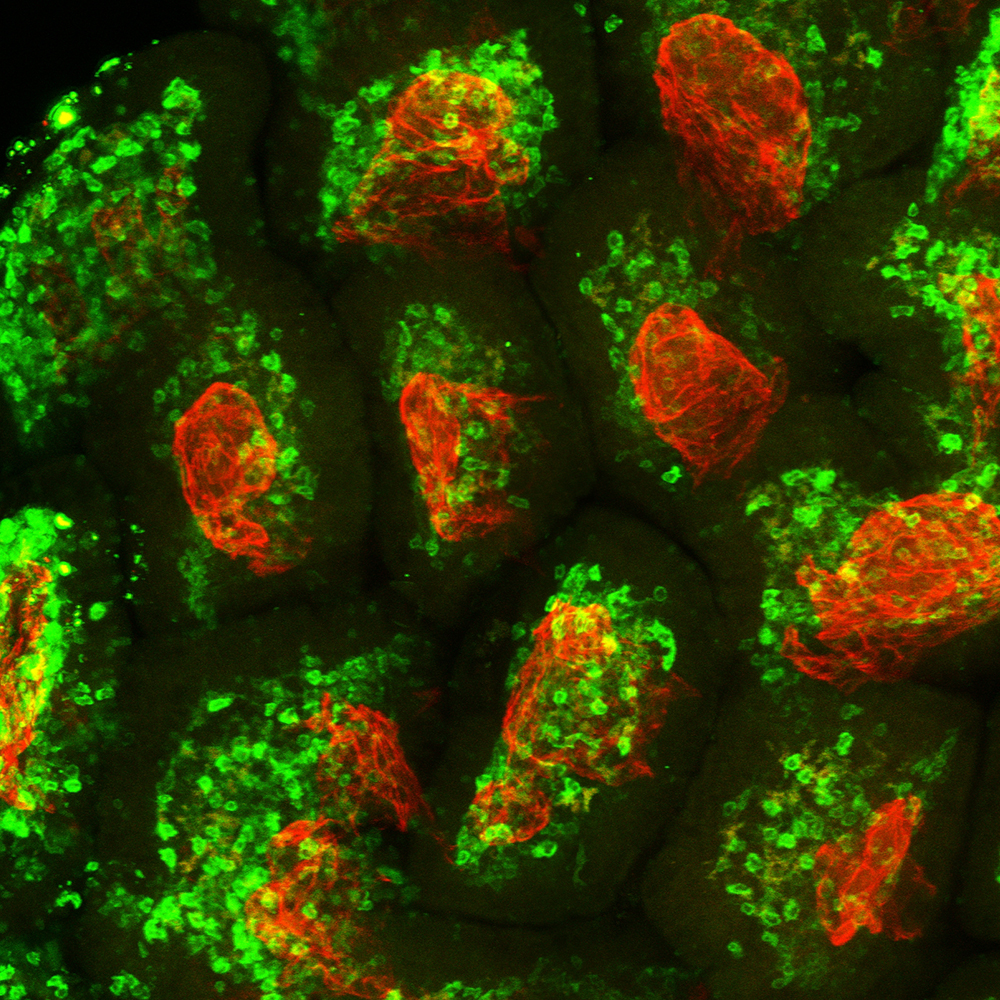
Benedict Lab

Christopher Benedict,
Ph.D.
Associate Professor
Center for Autoimmunity and Inflammation, Center for Vaccine Innovation
Christopher Benedict, Ph.D., studies the strategies that viruses use to escape detection by our immune system.

Cheroutre Lab

Hilde Cheroutre,
Ph.D.
Professor
Center for Autoimmunity and Inflammation, Center for Cancer Immunotherapy
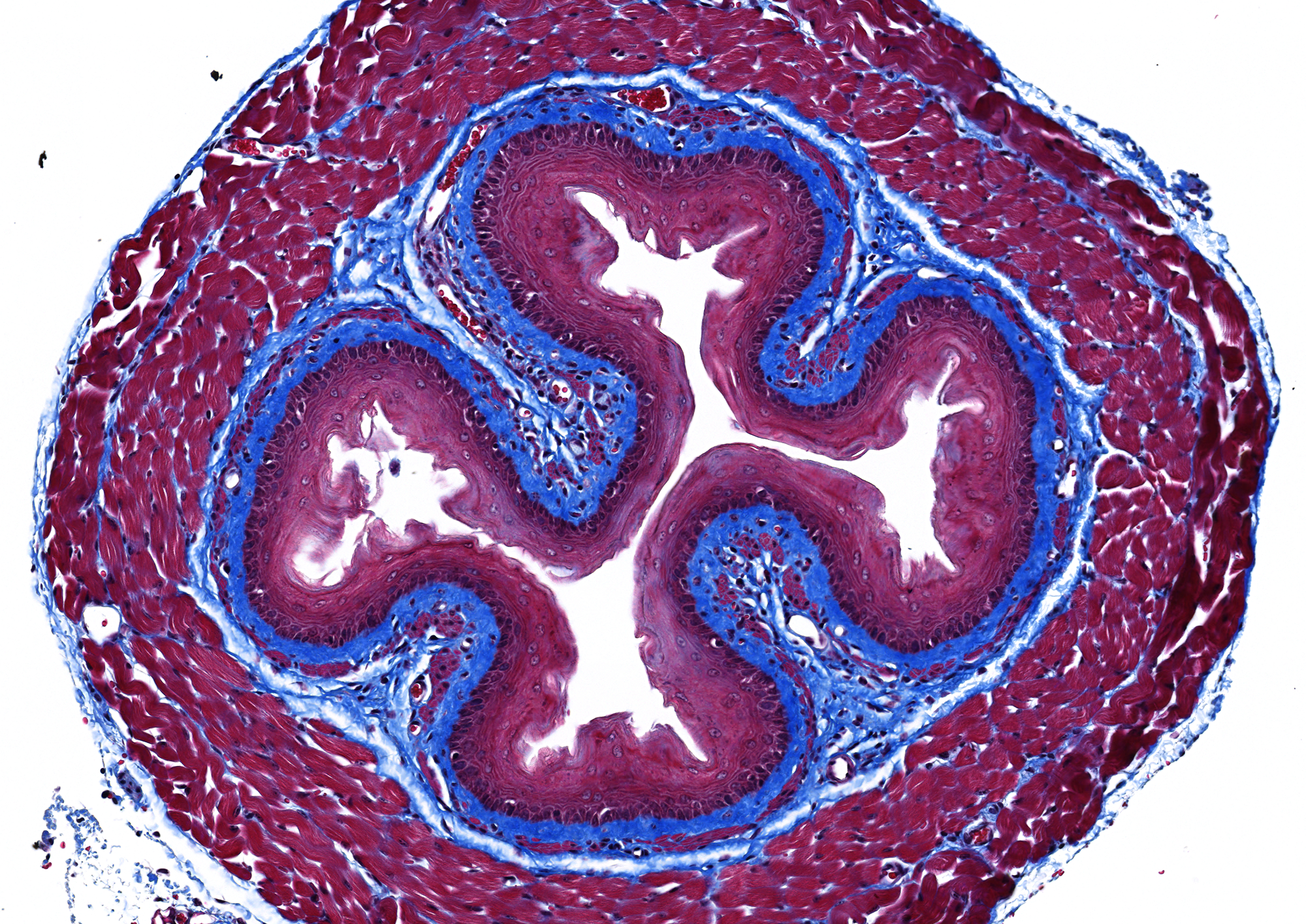
Hilde Cheroutre, Ph.D., and her team study the development, function, and regulation of T lymphocytes, a type of white blood cells.
Croft Lab
Michael Croft,
Ph.D.
Director, Academic Affairs
Professor, Center for Autoimmunity and Inflammation, Center for Vaccine Innovation
Michael Croft, Ph.D., and his team focus on a number of molecules that are members of the tumor necrosis factor (TNF) and tumor necrosis factor receptor (TNFR) family.
Crotty Lab

Shane Crotty,
Ph.D.
Chief Scientific Officer
Center for Autoimmunity and Inflammation, Center for Sex-based Differences in the Immune System, Center for Vaccine Innovation - Director
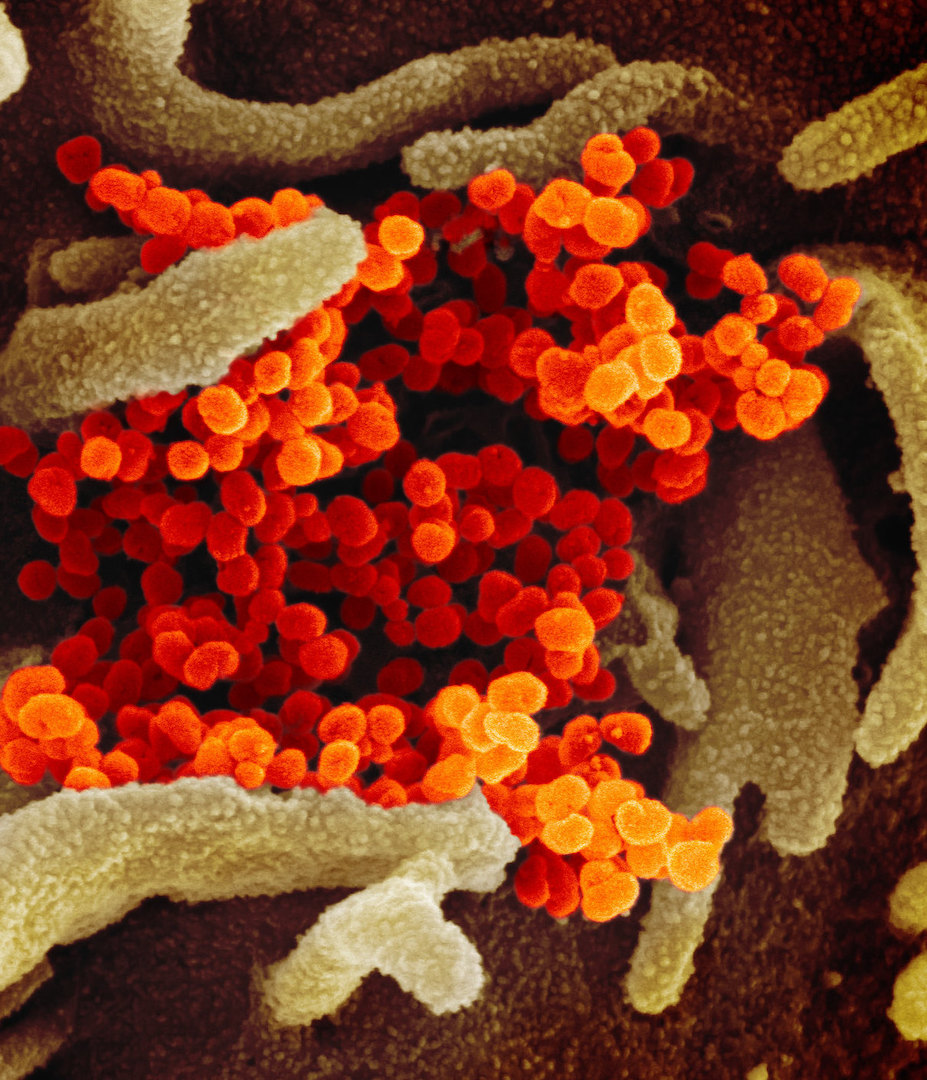
Shane Crotty, Ph.D., and his team study immunity against infectious diseases. They investigate how the immune system remembers infections and vaccines.
Grifoni Lab

Alba Grifoni,
Ph.D.
Research Assistant Professor
Center for Vaccine Innovation
Alba Grifoni, Ph.D., studies immune response to viral infections through a combination of bioinformatics and experimental approaches. Her work is important for understanding how T cell responses recognize a range of pathogens, including Coronaviruses (SARS-CoV-2 and other subgenera), Orthopoxviruses (Mpox and Vaccinia), and other emerging pathogens.
Hedrick Lab

Catherine Hedrick,
Ph.D.
Professor
Center for Autoimmunity and Inflammation, Center for Cancer Immunotherapy
Catherine "Lynn" Hedrick, Ph.D., and her lab members study and target monocytes to aid in the prevention of cancer. The lab also investigates neutrophil heterogeneity in cancer and cardiovascular disease.
Hogan Lab

Patrick Hogan,
Ph.D.
Professor
Center for Autoimmunity and Inflammation, Center for Cancer Immunotherapy
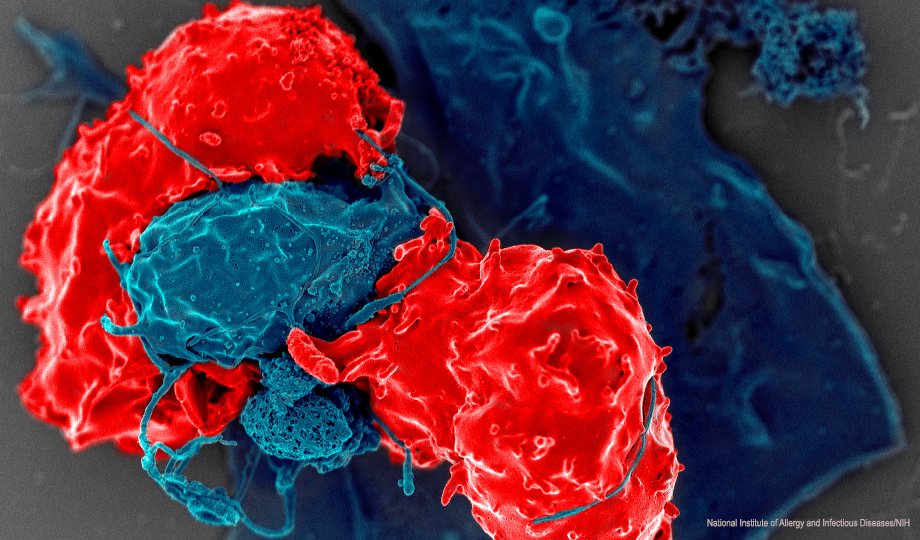
Patrick Hogan, Ph.D., studies cells at the nano level – seeking to understand how protein-protein interactions on the submicroscopic scale can have gargantuan impacts on human health and disease.
Kronenberg Lab
Mitchell Kronenberg,
Ph.D.
Professor, President Emeritus
Center for Autoimmunity and Inflammation, Center for Vaccine Innovation
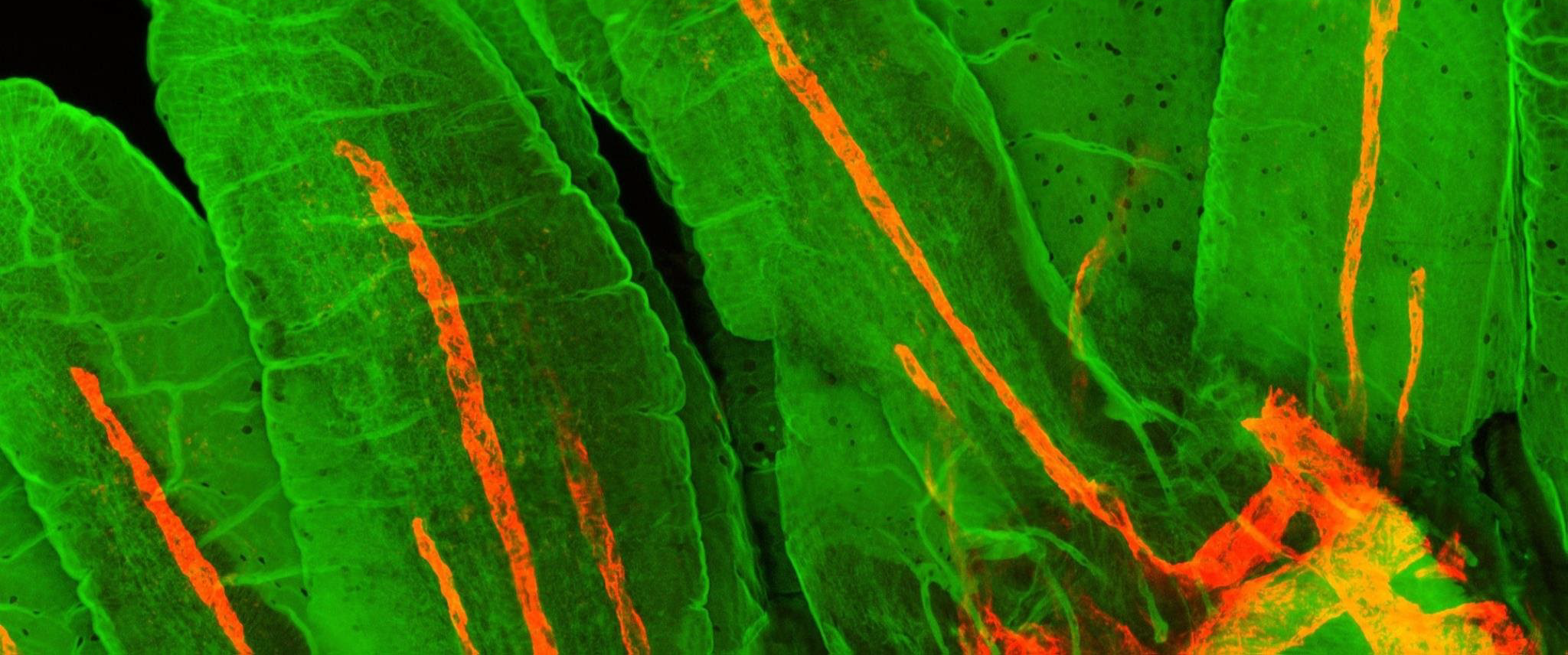
Mitchell Kronenberg, Ph.D., and his team study T cells – white blood cells responsible for recognizing and responding to foreign invaders, such as microbes.
Lindestam Arlehamn Lab

Cecilia Lindestam Arlehamn,
Ph.D.
Research Assistant Professor
Center for Autoimmunity and Inflammation, Center for Sex-based Differences in the Immune System, Center for Vaccine Innovation
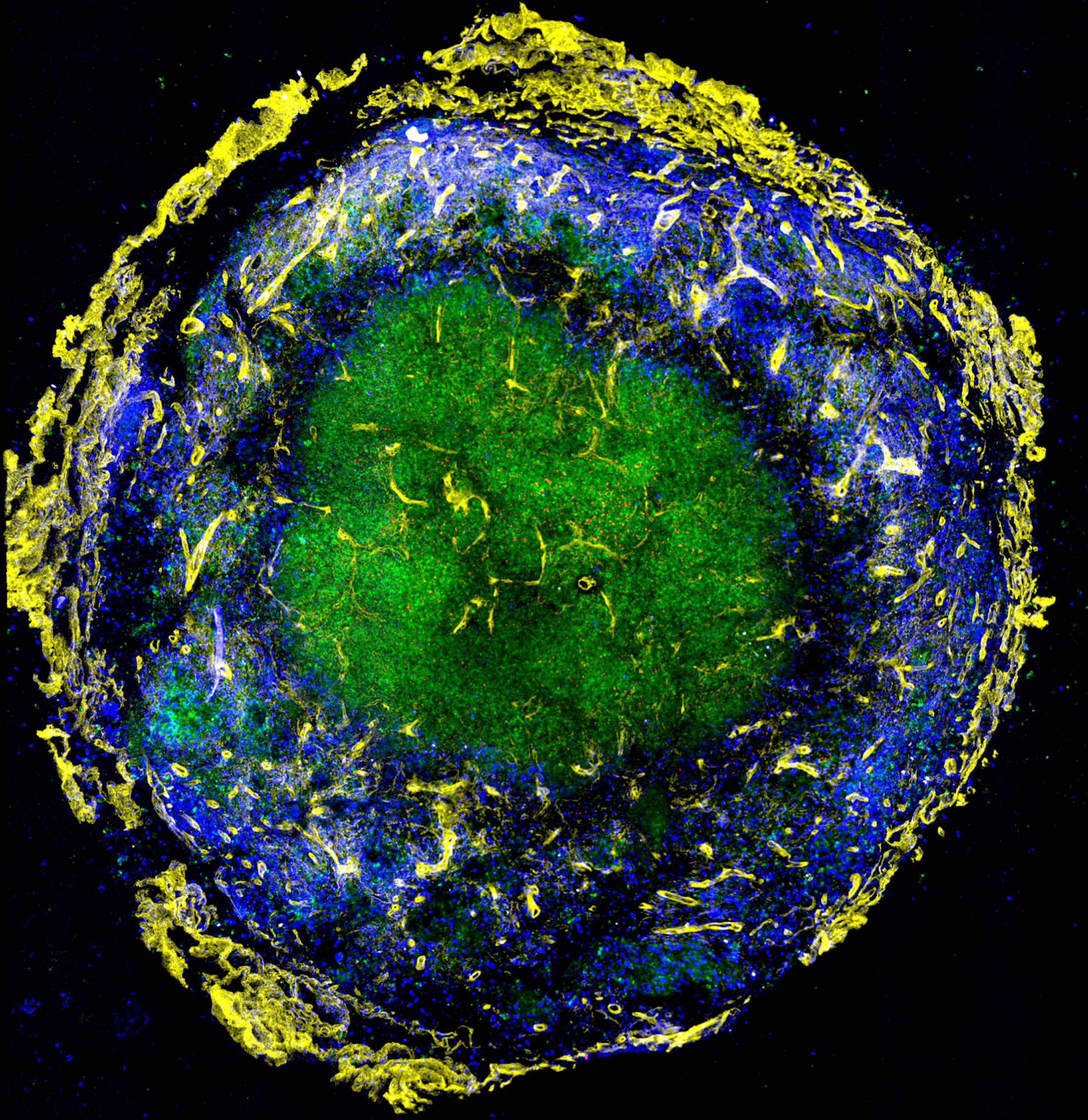
My laboratory is focused on understanding T cell immune responses to Mycobacterium tuberculosis and other infections, as well as self-antigens
Myers Lab Laboratory for Immunochemical Circuits
Sam Myers,
Ph.D.
Global Autoimmune Institute Assistant Professor
Laboratory for Immunochemical Circuits, Center for Autoimmunity and Inflammation, Center for Sex-based Differences in the Immune System
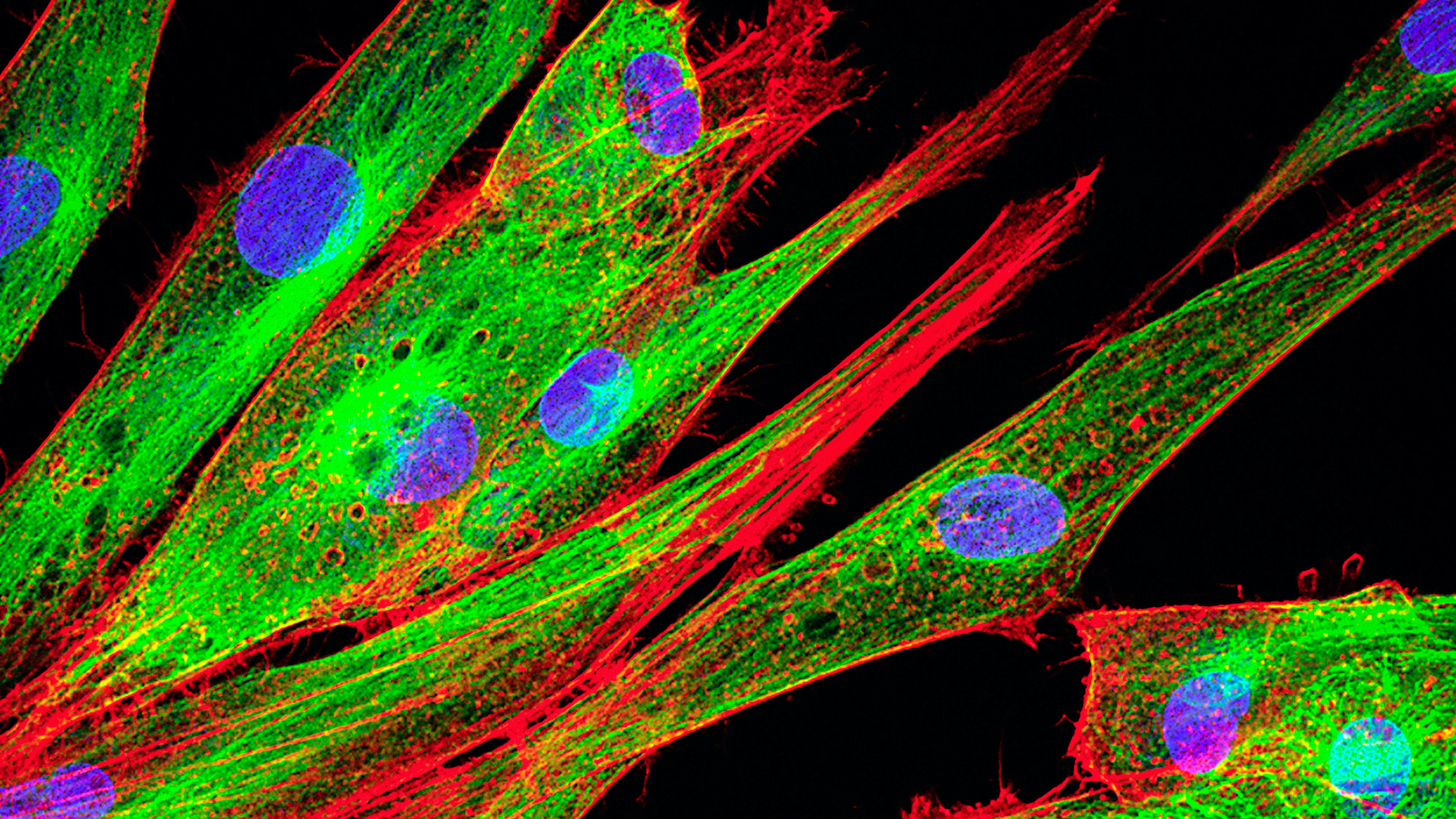
Samuel Myers, Ph.D., studies the signaling circuits that drive the behavior of individual immune cells and ultimately orchestrate systemic immune responses.

Peters Lab

Bjoern Peters,
Ph.D.
Professor
Center for Cancer Immunotherapy, Center for Vaccine Innovation
Bjoern Peters, Ph.D., and his lab members are focused on the development of computational tools to address fundamental questions in immunology.
Rao Lab

Anjana Rao,
Ph.D.
Professor
Center for Autoimmunity and Inflammation, Center for Cancer Immunotherapy, Center for Sex-based Differences in the Immune System
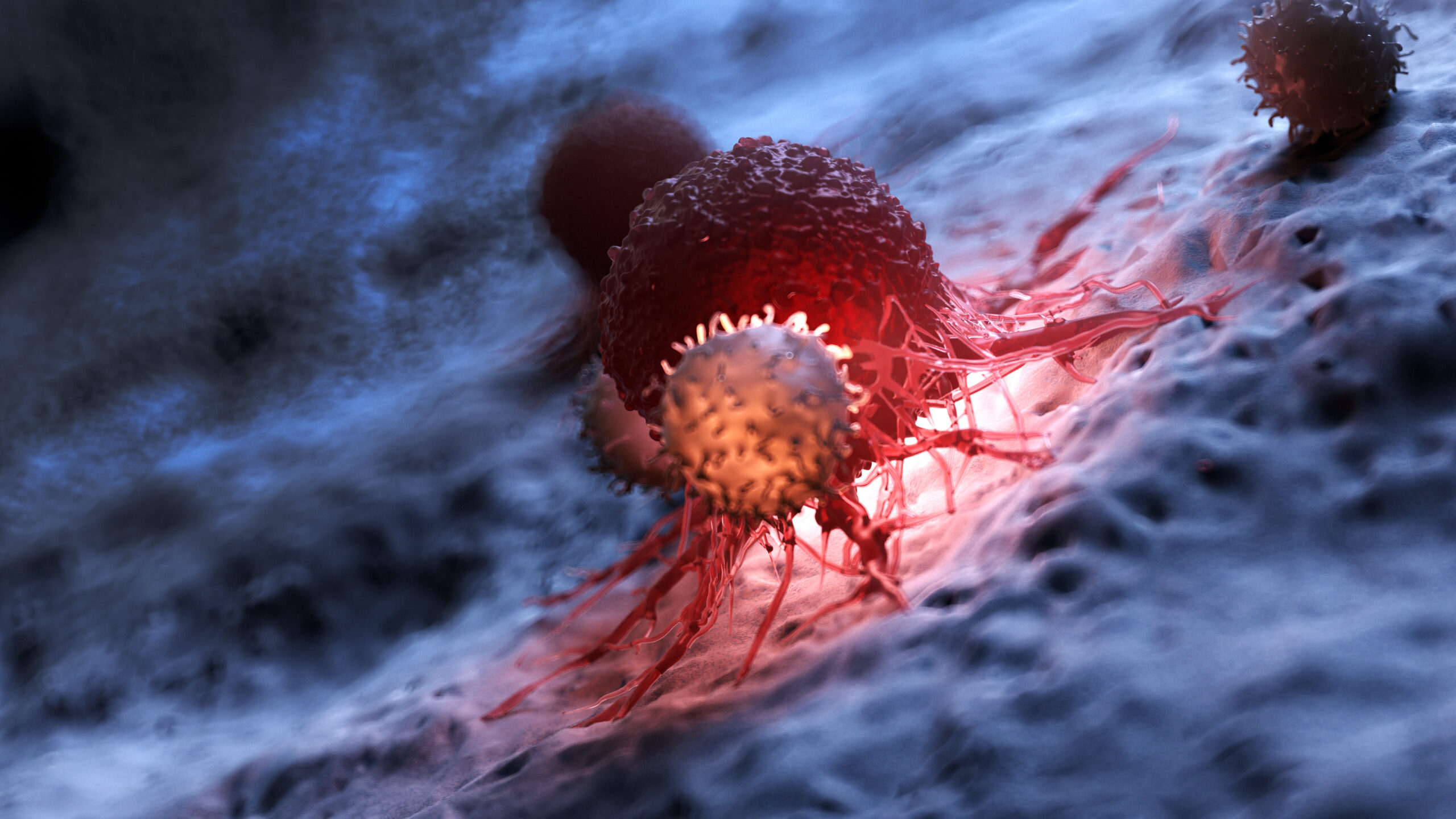
Anjana Rao, Ph.D., focuses on understanding how signaling pathways control gene expression, using T cells and other cells of the immune system as models.

Saphire Lab
Erica Ollmann Saphire,
Ph.D., MBA
Professor, President & Chief Executive Officer
Center for Autoimmunity and Inflammation, Center for Cancer Immunotherapy, Center for Sex-based Differences in the Immune System, Center for Vaccine Innovation
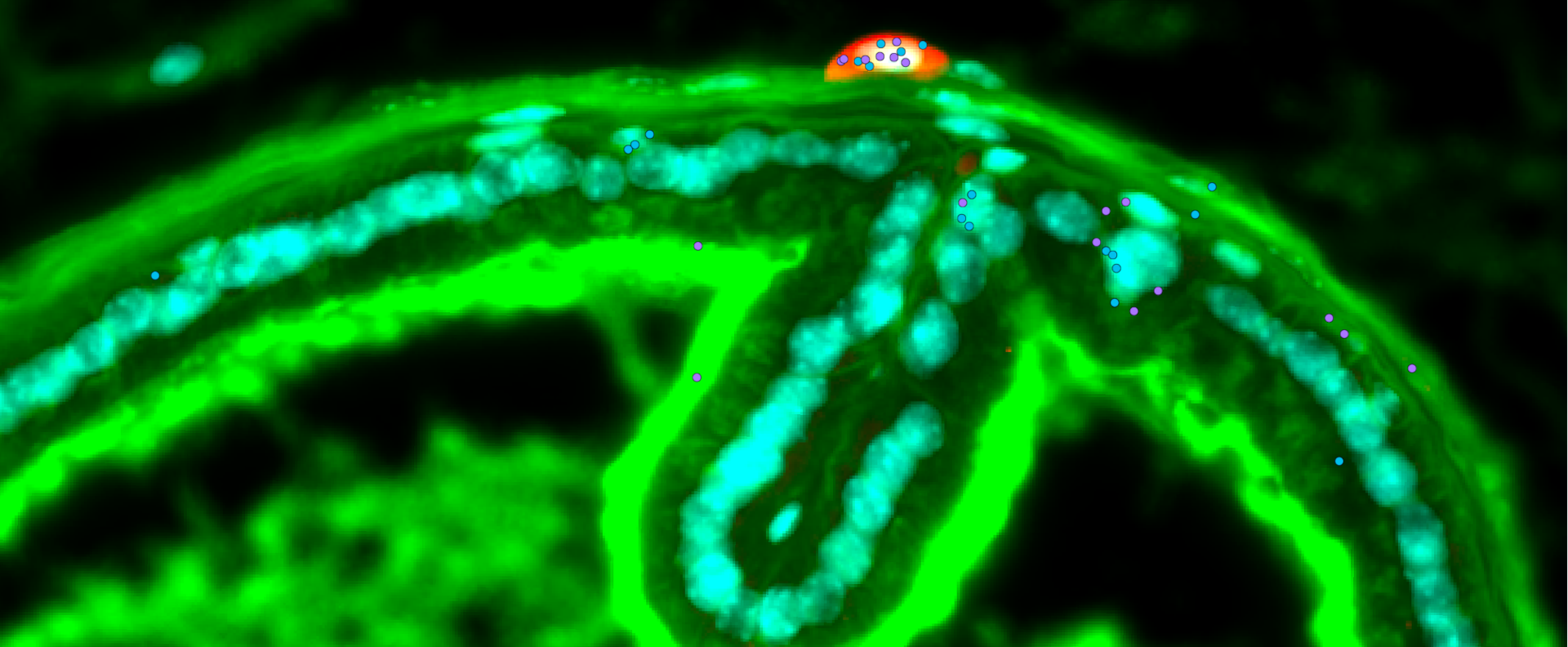
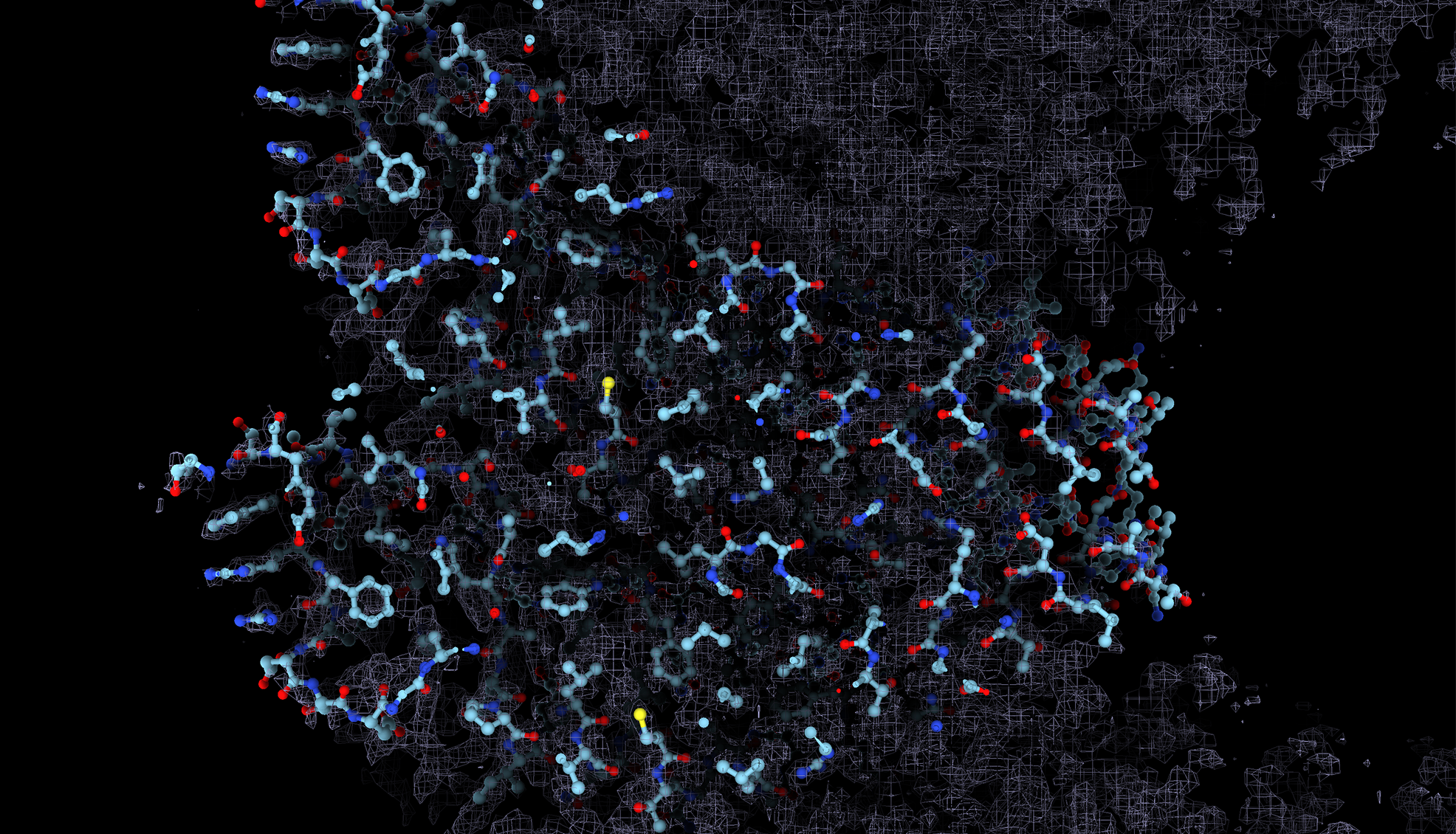
Erica Ollmann Saphire, Ph.D., MBA, studies, at the molecular level, how and why viruses are pathogenic. This work provides the roadmap for medical defense.
Schmiedel Lab

Benjamin Schmiedel,
Ph.D.
Research Assistant Professor
Center for Autoimmunity and Inflammation, Center for Sex-based Differences in the Immune System, Center for Vaccine Innovation
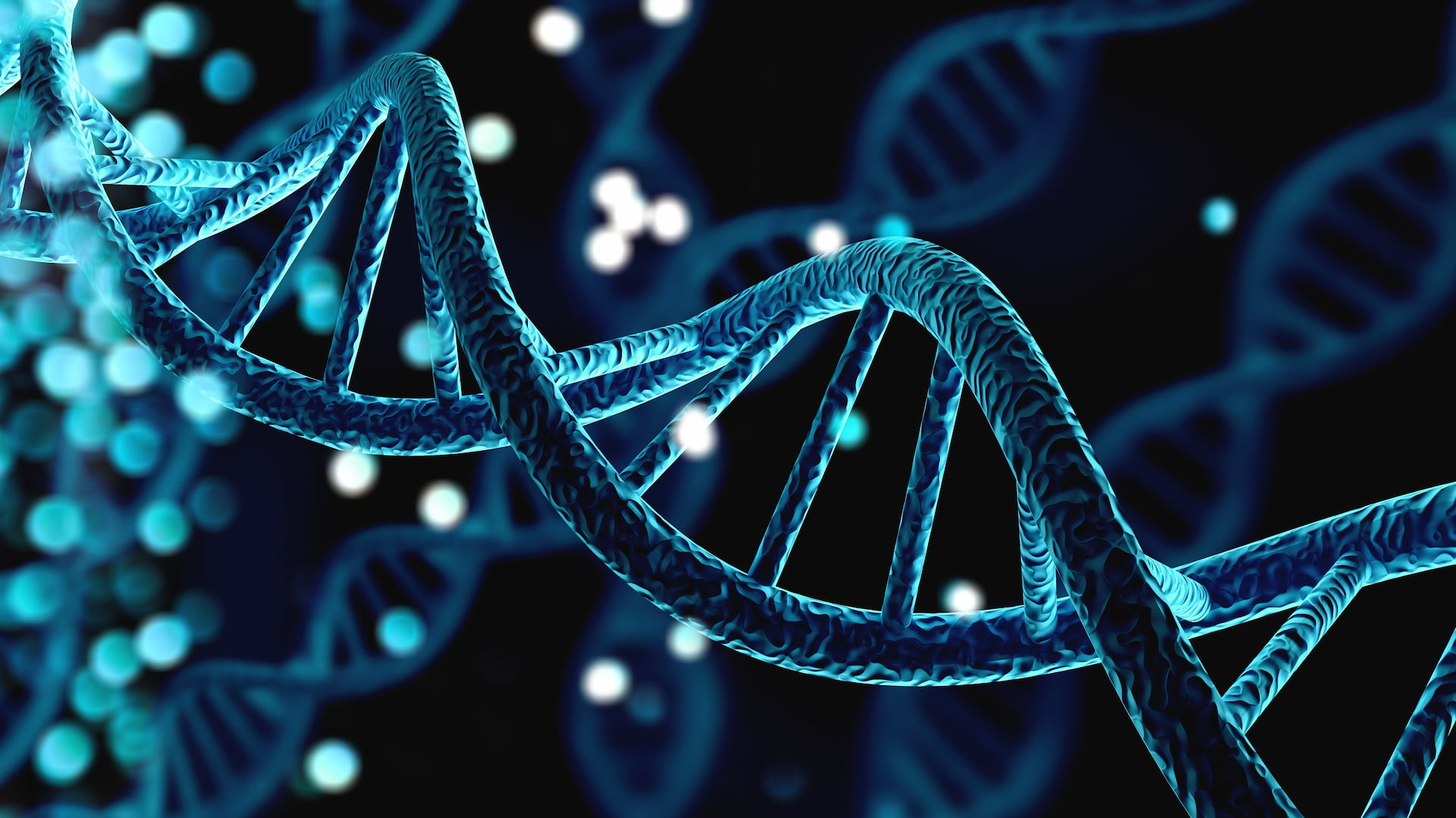
Dr. Schmiedel is dedicated to shedding light on the genetic mechanisms driving the pathogenesis of human diseases. His research is revealing molecular features regulating immune cell function to enhance our understanding and advance disease diagnosis, treatment, and prevention.
Schoenberger Lab

Stephen Schoenberger,
Ph.D.
Professor
Center for Autoimmunity and Inflammation, Center for Cancer Immunotherapy, Center for Vaccine Innovation
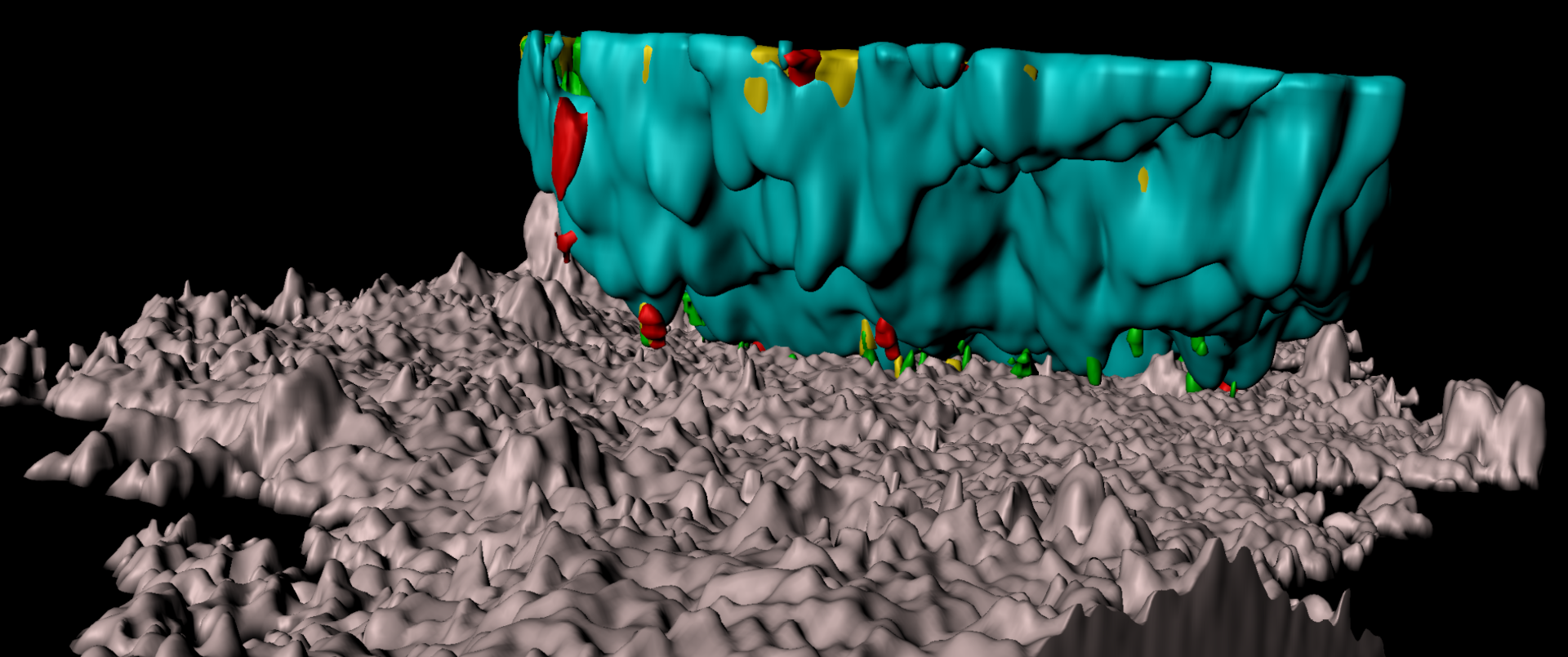
Stephen Schoenberger, Ph.D., is focused on achieving a mechanistic understanding of the generation and regulation of T cell responses in the context of in vivo infection and tumor development.
Sette Lab
Alessandro Sette,
Dr.Biol.Sci.
Professor
Center for Autoimmunity and Inflammation - Director, Center for Cancer Immunotherapy, Center for Vaccine Innovation
Alessandro Sette, Dr.Biol.Sci., defines in chemical terms the specific structures (epitopes) that the immune system recognizes and uses this knowledge to measure and understand immune responses.
Seumois Lab

Gregory Seumois,
Ph.D.
Research Assistant Professor, Director of Immunogenomics
Center for Autoimmunity and Inflammation, Center for Sex-based Differences in the Immune System
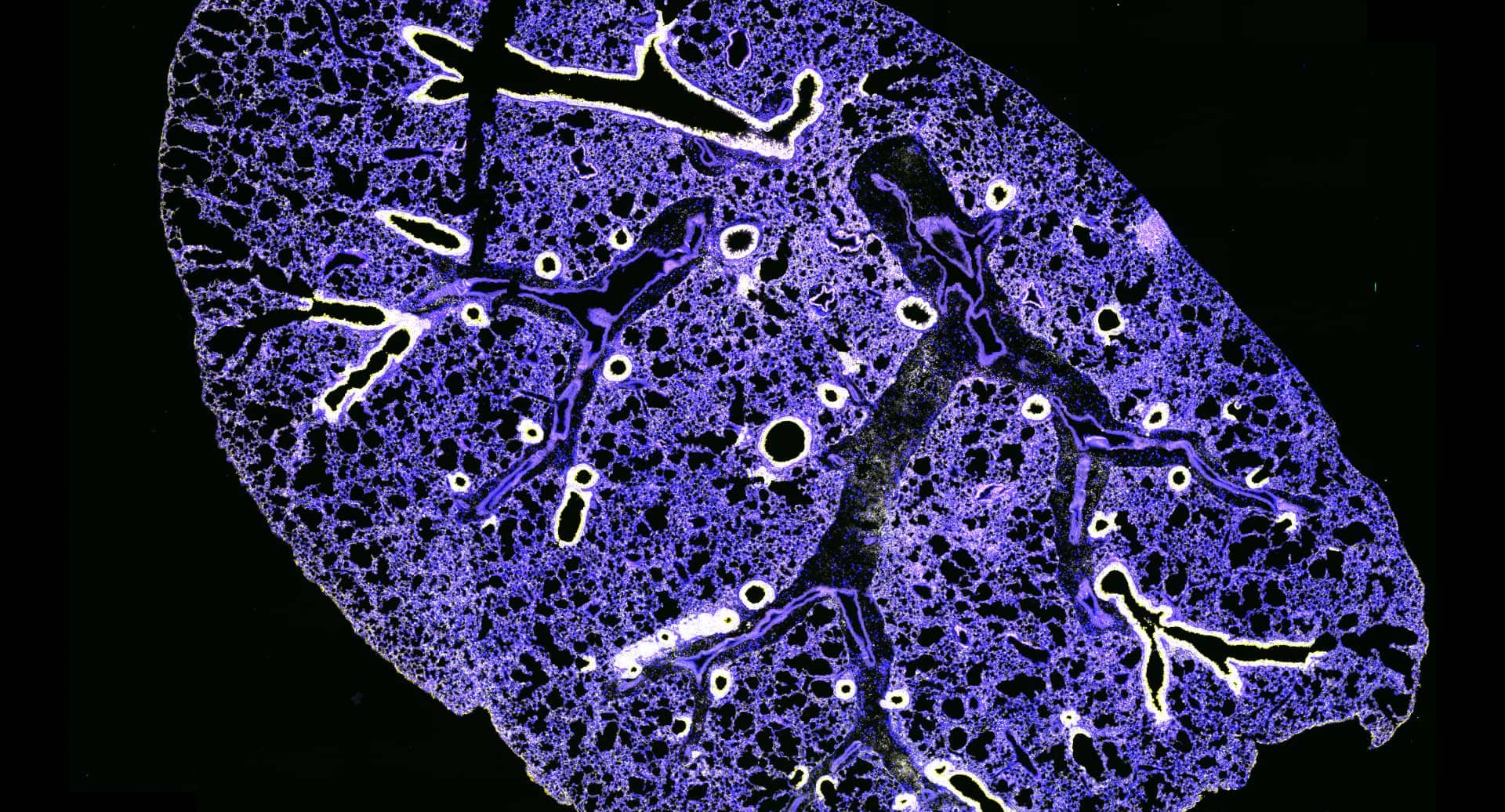
Greg Seumois, Ph.D., and his team, have developed an innovative and highly translational set of genomics and molecular tools to discover, characterize and investigate the role of new types of immune cells in relation with asthma severity and respiratory allergies.
Sharma Lab

Sonia Sharma,
Ph.D.
Associate Professor
Center for Autoimmunity and Inflammation, Center for Cancer Immunotherapy, Center for Sex-based Differences in the Immune System - Director
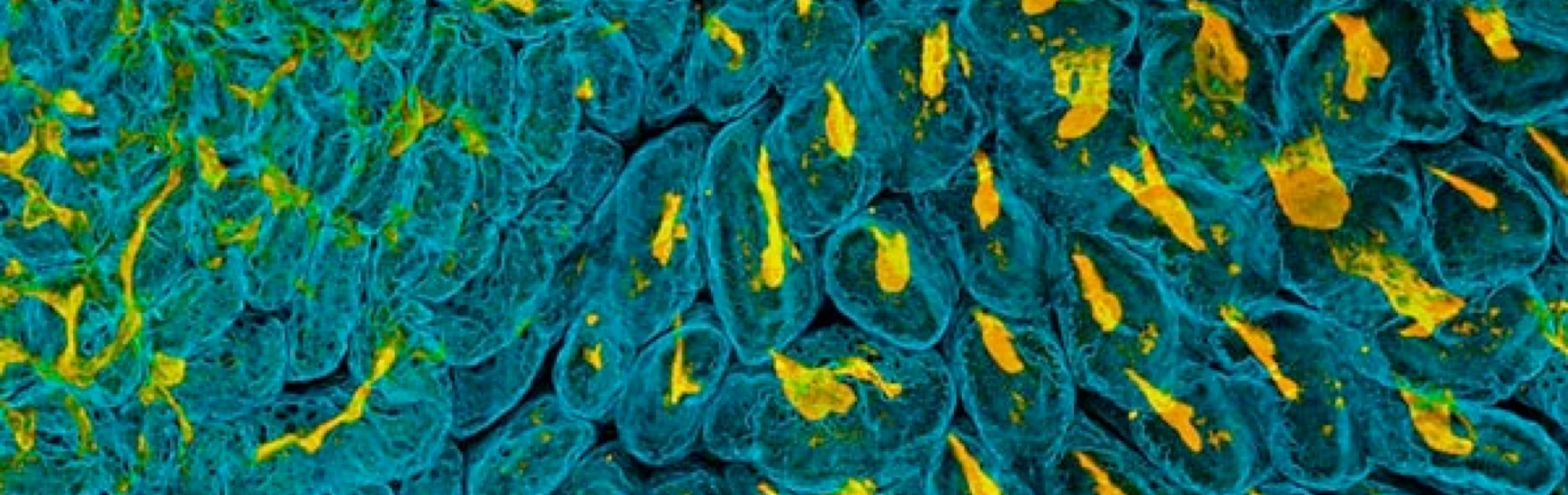
Sonia Sharma, Ph.D., and her lab members lead unbiased, genome-scale approaches to unravel innate immunity, the body’s early immune response to microbial pathogens and neoplastic cells.
Shresta Lab

Sujan Shresta,
Ph.D.
Professor
Center for Sex-based Differences in the Immune System, Center for Vaccine Innovation
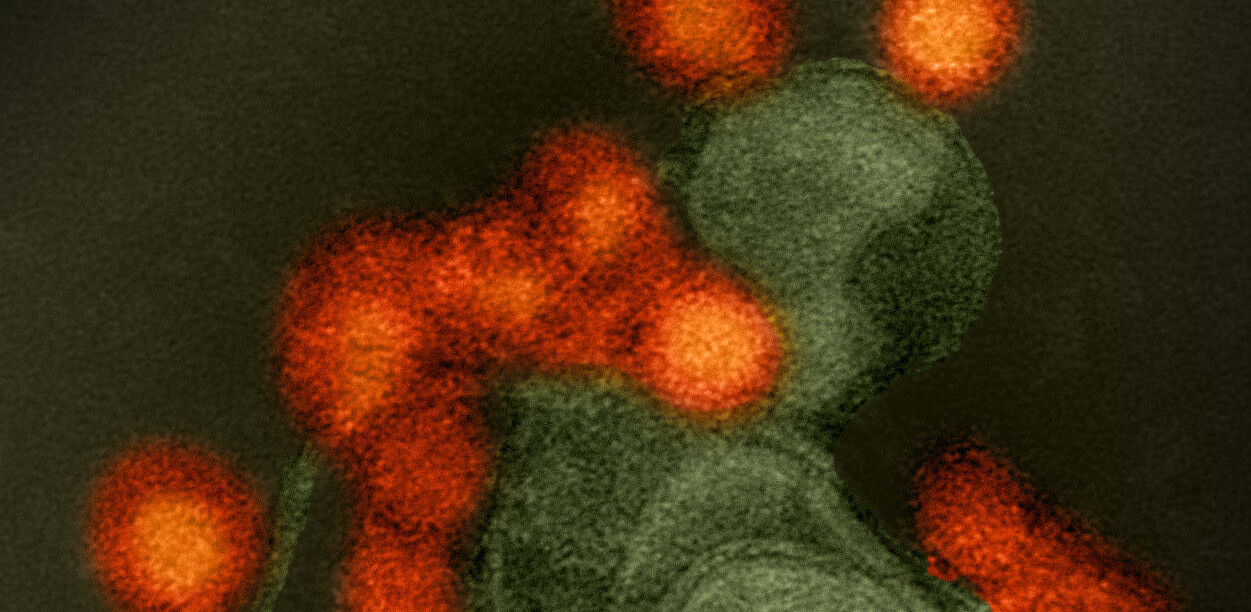
Sujan Shresta, Ph.D., and her team study the immunology and virology of mosquito-borne human pathogens such as dengue virus and Zika virus.
Vijayanand Lab

Pandurangan Vijayanand,
M.D., Ph.D.
Professor
William K. Bowes Distinguished Professor, Center for Autoimmunity and Inflammation, Center for Cancer Immunotherapy, Center for Sex-based Differences in the Immune System
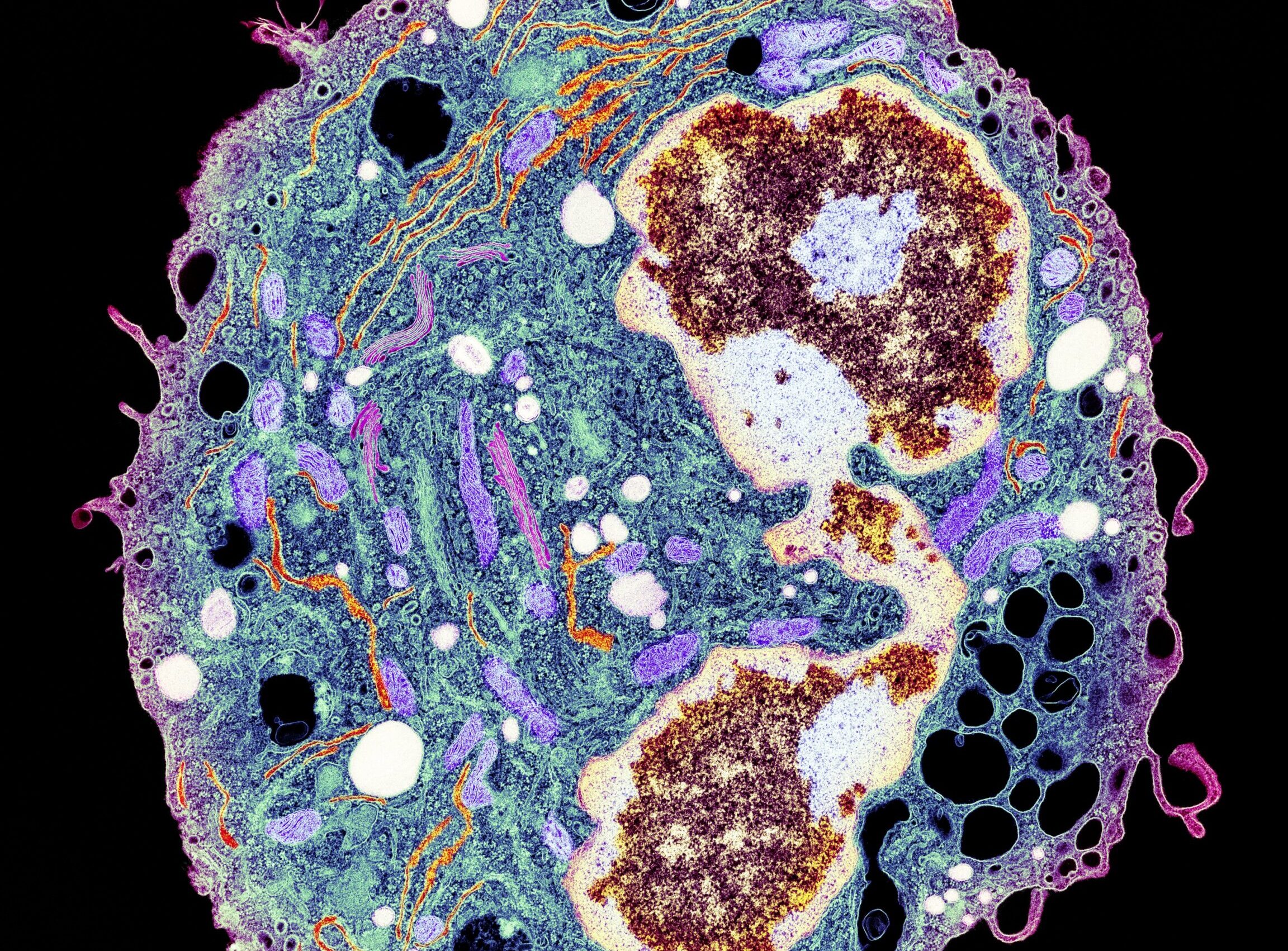
Pandurangan Vijayanand, M.D., Ph.D., and his lab members employ genomics tools to understand, diagnose and treat pulmonary disease such as asthma, lung cancer and infectious diseases, including the novel coronavirus.
Weiskopf Lab

Daniela Weiskopf,
Ph.D.
Research Assistant Professor
Center for Sex-based Differences in the Immune System, Center for Vaccine Innovation