

Mitchell Kronenberg, Ph.D.
Professor, President Emeritus
Center for Autoimmunity and Inflammation, Center for Vaccine Innovation
"I am a first generation college student, but my dad always wanted to be a weather forecaster. He was fascinated by atmospheric changes and studied books on meteorology. As a boy, he taught me a lot about the forces of nature and instilled in me intense curiosity and a sense of wonder that I think eventually led to my career in science."
Overview
Mitchell Kronenberg, Ph.D., and his team study innate-like T lymphocytes, including natural killer T cells (NKT cells), mucosal-associated invariant T (MAIT) cells, and gd T cells, as well as innate lymphoid cells (ILC). These lymphocytes tend to reside in nonlymphoid tissues, such as the lung, liver, and skin, rather than recirculating. In addition to making rapid responses to pathogenic microbes, they play roles in tissue homeostasis. The laboratory is studying how innate-like T cells adapt to different tissue environments and the long-term changes or memory response in these cells after antigenic stimulation. Because innate-like T cell responses are not limited by recognition of highly polymorphic antigen-presenting molecules, each of these cell types is being tested by other groups as potential cell therapies for cancer and other diseases.
We are also interested in mucosal immunology and the development of inflammatory bowel diseases (IBD). IBD, which includes Crohn’s disease and ulcerative colitis, are immune-mediated disease of the intestine in which the uncontrolled response of white blood cells leads to chronic inflammation. Using experimental models they developed, Dr. Kronenberg and his team are identifying molecules responsible for causing this poorly regulated immune response in the digestive tract, with a particular emphasis on receptors of the TNF superfamily. Ongoing work is focused on the analysis of intestinal T cells in IBD patients.
Featured publications
Divergent metabolic programmes control two populations of mait cells that protect the lung
Lab Members

 MK
MK
Mitchell Kronenberg, Ph.D.
Professor, President Emeritus Center for Autoimmunity and Inflammation, Center for Vaccine Innovation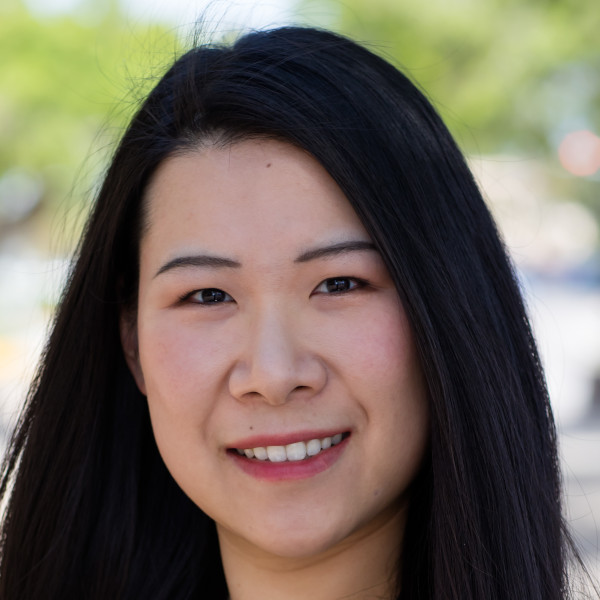

Research Projects
Mucosal Immunology and IBD
A major area of research in our laboratory is the regulation of mucosal immunity. We have collaborated extensively with the
NKT Cell Immunology
Vα14 invariant NKT (Vα14 iNKT) cells are a population of T lymphocytes that have several unique characteristics; many of these
From the lab
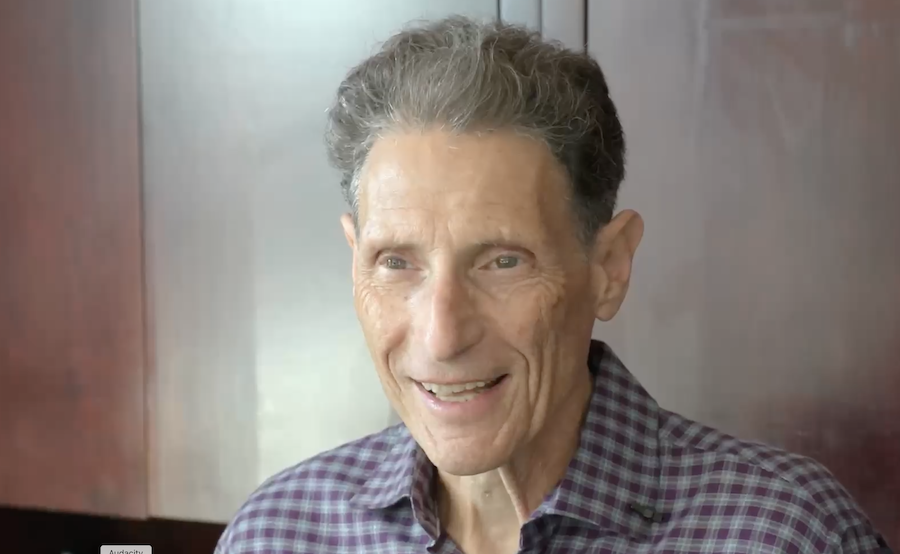
A closer look at rebel T cells
LJI researchers investigate a group of T cells known for their unusual response to pathogens
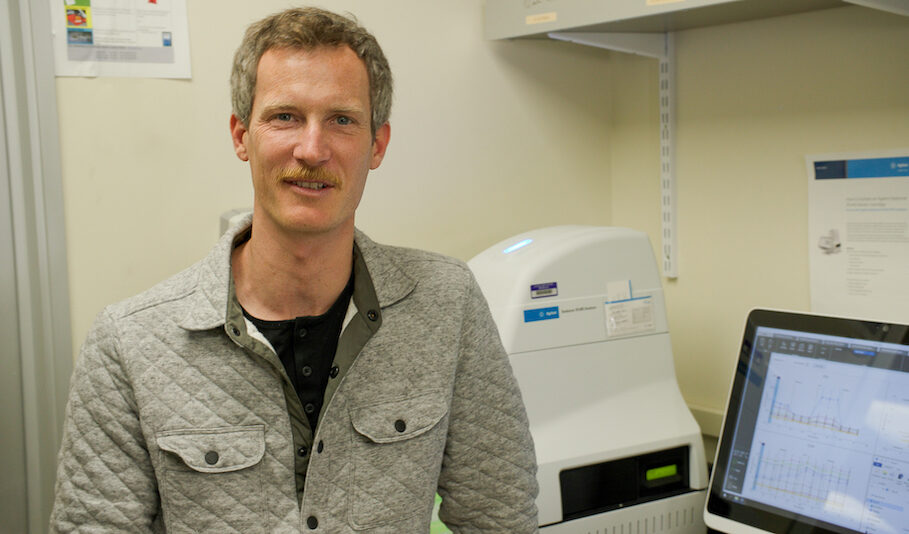
Powerhouses
LJI's Immunometabolism Core gives researchers a closer look at how cells gather energy to fight disease
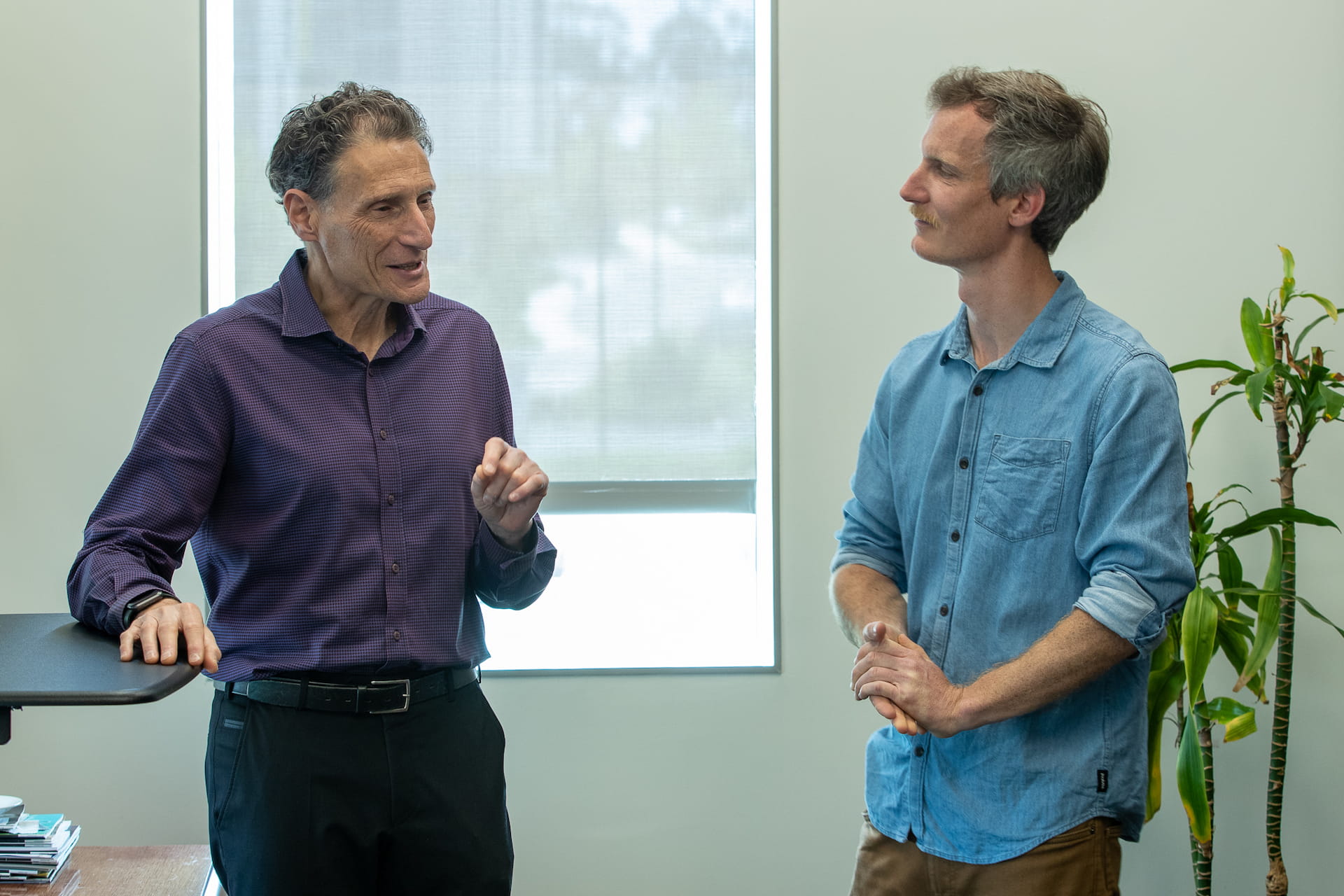
Can sugar and fat influence immune cell responses?
LA JOLLA, CA—A population of unconventional white blood cells has recently captured the attention of immunologists and clinicians alike. Unlike
Awards & Honors
- American Association of Immunologists Distinguished Fellow (inaugural class), 2019
- Distinguished Immunology Speaker, University of Basel Immunology Community, Basel Switzerland, 2017
- American Association of Immunologists Distinguished Service Award, 2016
- Most Admired CEO (large nonprofit category) awarded by the San Diego Business Journal 2016
- Fellow, American Association for the Advancement of Science, 2015
- Institute for Scientific Information (ISI) Highly Cited Scientist, 2007
- NIH NIAID Merit (R37) Award, 2006
- Burroughs Wellcome Fund Visiting Professor in Basic Biomedical Sciences (Harvard University), 2002
- Roy and Robert Kroc Distinguished Professor in Medicine and Immunology, UC Davis, 2000
- R.F. and E.A. Dwyer Award for Excellence of the Jonsson Cancer Center, 1993
- NIH Postdoctoral Training Grant Fellowship
- NIH Predoctoral Training Grant Fellowship
Location: