CENTER FOR INFECTIOUS DISEASE
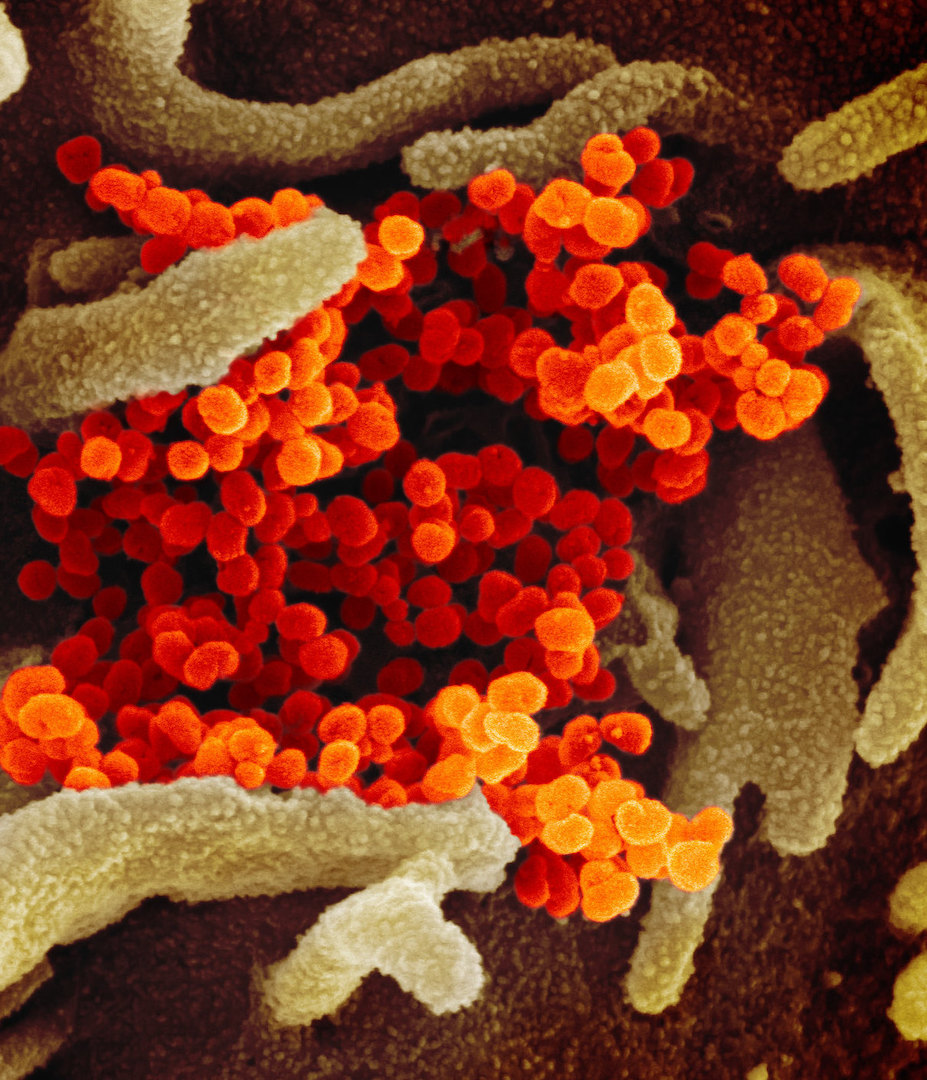
The development of vaccinations continues to be a major priority in research and clinical medicine. There are a large number of diseases that do not have vaccinations that are effective or easily available, as in the case of HIV or herpes. New and emerging infectious agents such as SARS and Avian Flu, as well as resurfacing dormant diseases, are frequently without effective treatment as well. Threats of bioterrorism are also bringing the attention of the medical research community back to diseases such as anthrax and smallpox. LIAI's research scientists are working to understand how we can better immunize ourselves against infection and how we can better combat infections once we have been exposed. The La Jolla Institute for Allergy & Immunology is hosting the national Immune Epitope Database (IEDB). Working in conjunction with the National Institutes of Health, La Jolla Institute for Allergy & Immunology will be providing this extensive database of knowledge to the entire world, helping to improve our chances of conquering infectious diseases.
BREAKTHROUGH: Emerging and Infectious Disease
The IEDB is groundbreaking because it contains antibody and T cell epitope data curated from scientific literature, presented collectively to facilitate basic research. The database interface is designed to be intuitive and easily searched, to propel the dissemination of immune epitope information, the generation of new research tools, diagnostic techniques, vaccines and therapeutics for emerging and re-emerging diseases.
More Breakthroughs
Center for Infectious Disease
ALLERGY & ASTHMA RESEARCH
The history of The La Jolla Institute for Allergy & Immunology is steeped in groundbreaking research into allergies. Dr. Kimishige Ishizaka, the Institute's first Scientific Director, received worldwide recognition for his discovery of the IgE protein. The spirit of Dr. Ishizaka's innovation continues at LIAI as today's renowned scientists use molecular tools to unravel the remaining mysteries of allergic reactions, seeking to develop tools to treat and prevent allergies. "Ten to 20 percent of the population of industrialized countries suffers from some form of allergies," said Toshiaki Kawakami, M.D., Ph.D. "There is a huge need to understand this disease and to find therapeutic interventions." Allergy Research
Asthma accounts for one-quarter of all emergency room visits in the U.S. each year. It might come as a surprise to many that asthma results from the good intentions of the body, gone bad. "It's a situation where the T cells ( the body's disease-fighting cells) are responding to something where you really don't want a response," said Michael Croft, Ph.D. Institute researchers, including Croft and Mitchell Kronenberg, Ph.D., The La Jolla Institute for Allergy & Immunology's president and scientific director, are studying ways to stop the overzealous response from the immune system's T cells, which occurs due to contact with an external allergen such as those from pollen. Asthma Research
BREAKTHROUGH: T Cell Activation
Amnon Altman Ph.D. has tenaciously done on how T lymphocytes cells
spring into action when they encounter an infected cell. This has
turned up several important findings, most notably the discovery of an
enzyme – protein
kinase C theta, which may hold the key to controlling immune response. "If
we understand the process of T cell activation, it will allow us to
rationally design treatments aimed at either boosting an immune
response, such as to fight cancer, or to suppress an unwanted immune
attack on normal cells, which occurs in autoimmune disease."
Autoimmune Research
Type 1 diabetes, rheumatoid arthritis, multiple sclerosis, crohn's disease and more...
Understanding how to turn off an immune system attack might seem an unusual goal. After all, most immune onslaughts are aimed at viruses, bacteria or other biological invaders to the body. But what if the immune system's attack is aimed at healthy cells, such as in autoimmune disease? Then the immune 'off switch' becomes very important.
BREAKTHROUGH: A Cure for Type 1 Diabetes
Matthias von Herrath, M.D., is edging closer to a goal - a cure for type 1 diabetes. Von Herrath and his fellow researchers' development of a combination therapy is showing significant promise in type 1 diabetes when caught in the early stages. The therapy is headed for human clinical trials in 2008.
Autoimmune Research
Cancer Research

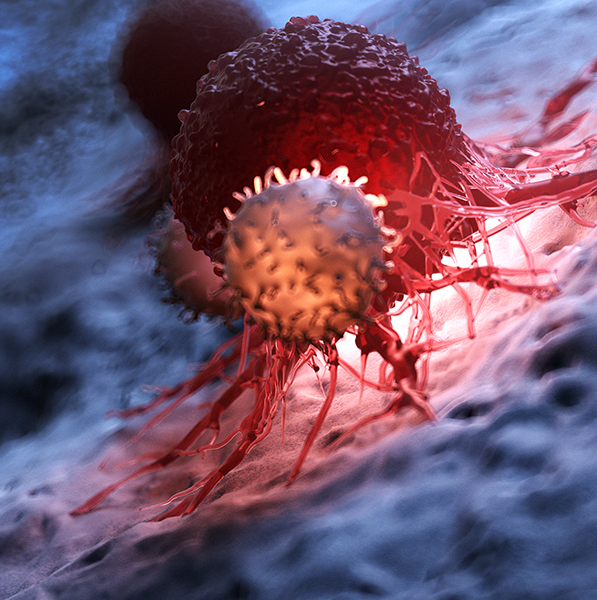
Cancer is the second leading cause of death in the United States today. At the La Jolla Institute for Allergy & Immunology, researchers are working to defeat cancer by finding ways to boost the disease-fighting power of the immune system. When Stephen Schoenberger, Ph.D., studies lymphomas and leukemias, he doesn't see an insurmountable scientific challenge, he sees hope.
" I genuinely believe these are cancers we can do something about," said Schoenberger, adding that he was drawn to the research because he could see
"real possibilities" for solving the biological paradox of blood cancers.
Cancer Research
Inflammation Biology
“Fascination” is what drives Hilde Cheroutre, Ph.D., in her quest to uncover the biological mysteries of the small and large intestines, and which has led her to the international forefront of inflammatory bowel disease (IBD) and celiac disease (CD) research. People suffering from those diseases experience symptoms ranging from abdominal pain to intestinal bleeding, and sometimes life-threatening complications.
Inflammation Biology