

Alessandro Sette, Dr.Biol.Sci.
Professor
Center for Autoimmunity and Inflammation - Director, Center for Cancer Immunotherapy, Center for Vaccine Innovation
"New infectious agents originate all the time dating back to the plague in the siege of Athens in the 7th century to the endemic flu in 1918 that killed 20 million people. For medical science, it’s a perennial race between new infectious diseases coming up and society reacting to them, understanding them and ultimately defeating them."
Overview
Dr. Alessandro Sette has devoted more than 35 years of study towards understanding the immune response, measuring immune activity, and developing disease intervention strategies against cancer, autoimmunity, allergy, and infectious diseases. The laboratory is defining in chemical terms the specific structures (epitopes) that the immune system recognizes, and uses this knowledge to measure and understand immune responses.
The Sette lab’s approach uses epitopes as specific probes to define the immune signatures associated with productive/protective immunity versus deficient immunity/immunopathology. This research will improve understanding of how the body successfully battles infection, and conversely, how pathogens escape the immune system, causing the individual to succumb to disease. Because of the laboratory’s success in its study of immune response, Sette and his team believe their research will lead to development of new therapeutic and prophylactic approaches to fighting infectious diseases. In this area, Dr. Sette’s disease focus has shifted over the years from HIV, HBV and HCV to emerging diseases and diseases of potential biodefense concern to, most recently, diseases and pathogens relevant to worldwide global health, including SARS-CoV-2, Dengue, Zika, Chikungunya, malaria, M. tuberculosis, B. pertussis, and shingles. Furthermore, Dr. Sette’s team has adapted the methods and techniques developed in the context of infectious disease to understand the T cell response to common allergens and to discover a cell component in Parkinson’s Disease.
Finally, Dr. Sette has overseen the design and curation efforts of the national Immune Epitope Database (IEDB), a freely available, widely used bioinformatics resource, since its inception in the early 2000s. The IEDB catalogs all epitopes for humans, non-human primates, rodents, and other vertebrates, from allergens, infectious diseases, autoantigens and transplants, and includes epitope prediction tools to accelerate immunology research around the world.
Featured publications
Selective and cross-reactive SARS-CoV-2 T cell epitopes in unexposed humans
mRNA vaccines induce durable immune memory to SARS-CoV-2 and variants of concern.
Pre-existing immunity to SARS-CoV-2: the knowns and unknowns
Adaptive immunity to SARS-CoV-2 and COVID-19.
Lab Members

















 AS
AS
Alessandro Sette, Dr.Biol.Sci.
Professor Center for Autoimmunity and Inflammation - Director, Center for Cancer Immunotherapy, Center for Vaccine Innovation





Research Projects
Allergy
Cockroach Allergy: The Sette lab is working to identify the sites on allergen molecules that trigger an inflammatory immune response.
Athlerosclerosis
ATHEROSCLEROSIS Working in collaboration with LJI Professor Klaus Ley, the Sette Lab aims to help develop vaccines that target inflammatory
Dengue Virus
The Sette lab’s previous large scale epitope identification efforts (supported by HHS contracts) have led to a deeper understanding of
Human Immune Profiling Consortium
The aim of this work, in collaboration with Bjoern Peters, Ph.D., and Pandurangan Vijayanand, M.D., Ph.D., is to characterize the
Immune Epitope Database and Analysis Resource Program
A collaboration with LJI Professor Alessandro Sette, Dr. Biol. Sci, to maintain and further develop the Immune Epitope Database (IEDB) and associated
Other Diseases – Sette
Varicella Zoster Virus: Research into the longevity of vaccine-induced immunity to varicella zoster virus, the pathogen that causes chicken pox
From the lab
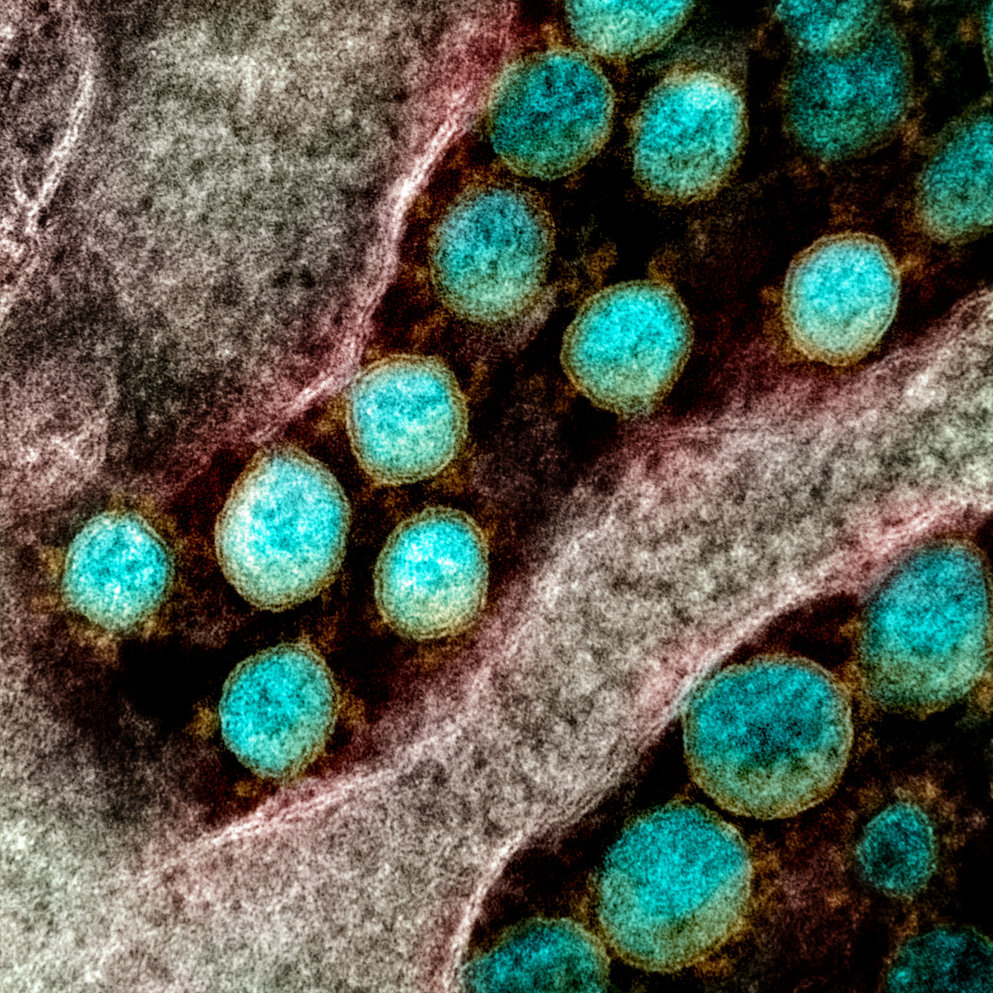
T cells tackle new ‘Pirola’ SARS-CoV-2 variant
LA JOLLA, CA—In August, researchers detected a new SARS-CoV-2 “variant of concern” in patients in Israel and Denmark. Since then,

Asymptomatic infections may underlie recent rise in whooping cough
Surprising insights on pertussis vaccines pave the way for next-gen protection
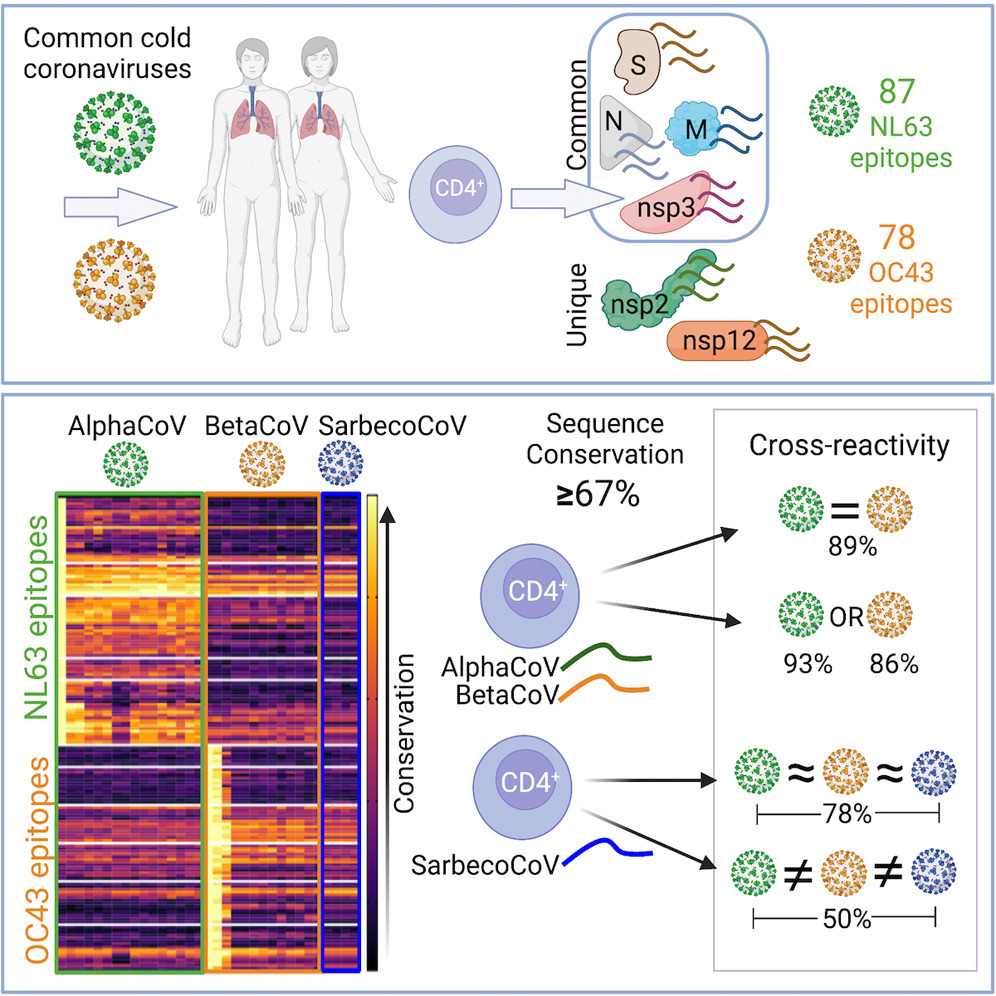
Family resemblance: How T cells could fight many coronaviruses at once
LA JOLLA, CA—Scientists at La Jolla Institute for Immunology (LJI) are investigating how the immune system’s T cells react to
Location: